


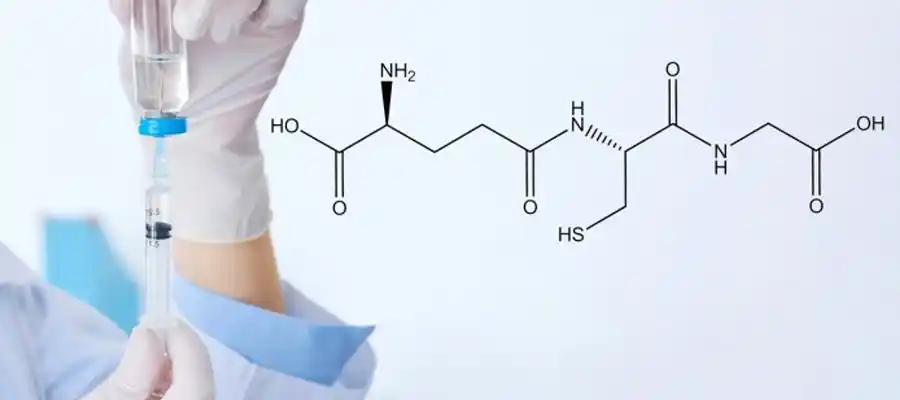
What is Glutathione Therapy?
Glutathione therapy is a medical procedure performed to increase glutathione levels in the body. Glutathione is a powerful antioxidant that helps cell renewal, toxin removal from the body and strengthen the immune system. Factors such as stress, poor nutrition, environmental toxins and aging can reduce glutathione levels. Therefore, glutathione therapy is applied to support the body and correct the deficiency. The treatment is usually administered intravenously (through the vein) and thus provides faster absorption into the body. When done regularly, it supports skin health, increases energy levels and strengthens the immune system.
What Does Glutathione Do?
Glutathione is one of the most important antioxidants that supports the body’s natural detoxification system. It protects cells from oxidative stress by fighting free radicals and delays aging. It strengthens the immune system and protects against infections. It helps the liver effectively cleanse toxins, thus accelerating the elimination of harmful substances accumulated in the body. It also helps to even out skin tone and make the skin brighter. It is also beneficial for athletes because it reduces muscle fatigue and allows faster recovery. It also supports the nervous system, protects brain health and reduces the risk of chronic diseases.
For Which Organs Is Glutathione Important?
Glutathione is particularly vital for the liver, brain, lungs, and immune system. It helps the liver detoxify, helping to rid the body of harmful toxins. It plays a critical role in brain health because it protects nerve cells from oxidative stress, reducing the risk of neurodegenerative diseases. It is also important for the lungs, clearing the airways and improving respiratory function by reducing inflammation. It is essential for the proper functioning of the immune system, making the body more resistant to infections, viruses, and other pathogens.
What Are the Symptoms of Glutathione Deficiency?
Glutathione deficiency can manifest itself through a weakening of the body’s detoxification system and increased cell damage. The most common symptoms include chronic fatigue, weakness, and a weakened immune system. The person may become sick frequently and more vulnerable to infections. The skin may become pale, blemished, and signs of premature aging may be seen. Neurological symptoms such as muscle and joint pain, difficulty concentrating, and forgetfulness may also occur. Digestive system problems, weakened liver function, and edema in the body due to toxin accumulation are also indicators of glutathione deficiency. If these symptoms persist for a long time, it is recommended to consult a specialist and have glutathione levels evaluated.
How is Glutathione Therapy Applied?
Glutathione treatment is usually administered intravenously (IV), that is, through a vein. This method allows glutathione to mix directly into the blood, providing maximum absorption and helping it to be used effectively in the body. The duration of treatment may vary depending on the person and need, but is usually applied once or twice a week and can last 4 to 10 sessions in total. Alternatively, glutathione supplements can be taken orally, but this method is less effective than IV treatment because absorption by the digestive system is limited. In addition, some skin care products and nutrients can also help increase glutathione levels. It is recommended to apply it with vitamin C supplements to increase the effect of the treatment, because vitamin C increases the effectiveness of glutathione and allows it to remain in the body for a longer period of time.
How Does Glutathione Support the Immune System?
Glutathione is one of the most important antioxidants that ensures the strong and balanced functioning of the immune system. It prevents damage to immune cells by neutralizing free radicals in the body. It supports white blood cells that fight infections, allowing for a faster and more effective response to diseases. In addition, it combats chronic inflammation by regulating the immune system thanks to its anti-inflammatory effects. When glutathione levels are sufficient, the body becomes more resistant to viruses, bacteria and other pathogens. Glutathione treatment is especially beneficial for people whose immune systems are weakened due to stress, intense work tempo, inadequate nutrition and environmental factors. When applied regularly, it reduces the risk of infection, strengthens the body’s defenses against diseases and supports general health.
What are the Uses of Glutathione?
Glutathione acts as a powerful antioxidant in the body and is used in many health areas. One of the most common areas of use is to strengthen the immune system, because it protects the body against infections by fighting free radicals. Thanks to its detox effect, it helps the liver to be cleansed of toxins and is especially important for individuals exposed to smoking, alcohol consumption or environmental pollution. It is also frequently used in skin health; It provides brightness and rejuvenation by equalizing skin tone. It is used as a support in the treatment of chronic fatigue syndrome, fibromyalgia and autoimmune diseases. It contributes to the prevention of neurodegenerative diseases (such as Alzheimer’s, Parkinson’s) and supports nervous system health. It is also preferred as a supplement that accelerates muscle repair and improves the body’s recovery process for athletes.
How Many Sessions Does Glutathione Treatment Take?
Glutathione treatment is applied in a number of sessions that vary depending on the person’s needs and health status. Treatment is usually applied 1 to 2 times a week and can last between 4 and 10 sessions in total. While 4-5 sessions are usually sufficient for conditions such as mild skin renewal or immune strengthening, 8-10 sessions can be recommended for people with chronic conditions or those expecting a long-term detox effect. Taking at least 3 to 7 days between sessions ensures that the body’s antioxidant balance is maintained. Maintenance sessions can be applied at certain intervals for those who want to get long-term effects. The duration and frequency of treatment should be determined by a specialist according to the person’s health status.
What are the Uses of Glutathione Therapy?
Glutathione therapy is used in various health areas as it has many beneficial effects on the body. In the treatment of liver diseases, it supports the functions of the organ, especially by accelerating the elimination of toxins. It helps to fight flu, cold and other viral infections by strengthening the immune system. It is also a popular application in the aesthetic field due to its skin whitening and anti-aging effect. It is used in the treatment of disorders that cause low energy such as chronic fatigue syndrome, fibromyalgia and autoimmune diseases. It can slow down the progression of the disease by supporting cellular regeneration in neurological diseases such as Alzheimer’s and Parkinson’s. It plays an effective role in detoxification processes by helping to remove heavy metals and toxins from the body. It has a performance enhancing effect by reducing muscle fatigue and accelerating the recovery process for athletes.
What are the Side Effects of Glutathione Deficiency?
Glutathione deficiency causes the body to become more vulnerable to free radicals and toxins. One of the most common symptoms is chronic fatigue; individuals may constantly feel sluggish and lack energy. The immune system weakens, increasing the risk of frequent infections. Paleness, blemishes and signs of premature aging may be seen on the skin. As liver functions weaken, toxin accumulation may occur, which can lead to digestive problems, headaches and general weakness. Brain functions are also negatively affected, leading to difficulty focusing, forgetfulness and cognitive decline. Symptoms such as muscle and joint pain, increased inflammation levels and a decrease in the body’s ability to renew itself may also occur in the event of deficiency. In the long term, glutathione deficiency may increase the risk of developing chronic diseases.
Who Cannot Use Glutathione Therapy?
Although glutathione treatment is generally a safe application, it may not be suitable for some people. Since there is no definitive safety data for pregnant and nursing mothers, it is not recommended to use it without a doctor’s approval. It should not be applied to patients undergoing cancer treatment without a doctor’s control, as it can affect the immune system. Caution should be exercised in individuals with kidney failure or liver disease and a specialist’s opinion should be obtained. In individuals prone to allergic reactions, sensitivity to the ingredients in the content should be tested in advance. Individuals with chronic diseases and patients with immune system disorders should definitely consult a doctor before starting treatment. Glutathione treatment can have different effects than expected if it is not applied in the appropriate dose and with the right method.
How to Inject Glutathione?
Glutathione injection is a treatment method used to increase glutathione levels in the body. This procedure is usually administered intravenously (IV), that is, through a vein, so that glutathione is directly absorbed into the bloodstream, providing maximum absorption. Before the injection, the patient’s health status is evaluated and the appropriate dose is determined. During the procedure, a thin needle or serum is used to inject the glutathione solution into the vein. The session duration usually varies between 15 and 30 minutes, and any pain or discomfort is minimal. Although the treatment duration varies depending on the person, it is usually applied 1-2 times a week and a total of 4 to 10 sessions are recommended. After the sessions are completed, supplemental doses can be administered at certain intervals to provide long-term benefits. Drinking plenty of water and eating a healthy diet after the application helps increase the effects of glutathione.
Are Glutathione Supplements Safe?
Glutathione supplements are generally considered safe, but their use may vary depending on your personal health. The absorption rate of oral glutathione supplements may be lower compared to injections. For supplements to be effective, it is recommended to take them with vitamin C, as vitamin C helps glutathione stay active in the body for a longer period of time. However, side effects such as stomach upset, headache, or mild nausea may occur with high doses or uncontrolled use. It is especially important for pregnant women, nursing mothers, and individuals with chronic diseases to consult their doctors before using glutathione supplements. Reliable brands should be preferred and the content of the products should be carefully examined. To get the best results, glutathione supplements should be supported by a balanced diet and healthy lifestyle.
Which Foods Contain Glutathione?
Diet is an important factor in increasing glutathione levels naturally. Glutathione-rich foods include vegetables such as spinach, broccoli, asparagus, garlic, avocado, and Brussels sprouts. These vegetables support glutathione production because they are high in sulfur. In addition, citrus fruits (orange, lemon, grapefruit) rich in vitamin C help glutathione stay active in the body for longer. Protein sources such as eggs, fish, and chicken also contain amino acids that support glutathione production. Nuts and seeds (walnuts, almonds, flaxseed) contribute to cell protection thanks to their antioxidant properties. Green tea and dairy products are also among the foods that support glutathione levels. Consuming these foods in a balanced diet can strengthen the immune system and support the detox process by allowing the body to naturally produce glutathione.
Glutathione Treatment Prices 2025
Glutathione treatment prices in 2025 may vary depending on the method of application, the number of sessions, the dosage used, and the clinic where the treatment is performed. On average, the price of one session of glutathione injection can range from 1,000 TL to 5,000 TL. Since 4 to 10 sessions are generally recommended for a comprehensive treatment program, the total cost can range from 10,000 TL to 50,000 TL. The additional services offered by the clinics, the experience of the doctor, and the additional supplements used can determine the price. While glutathione treatment is usually applied for skin renewal and anti-aging purposes in aesthetic clinics, it is offered in health centers with a focus on detox and immune strengthening. When doing price research, it is important to pay attention to the quality of the products used, whether the application is performed by a specialist doctor, and the hygiene conditions of the clinic. In order to get the most accurate price information, it is necessary to contact the preferred health institution and create a treatment plan suitable for individual needs.