


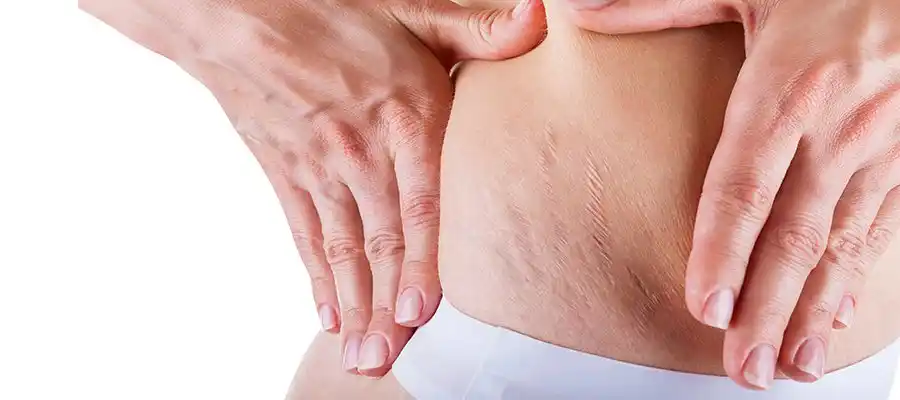
What is Stretch Mark Treatment?
Stretch mark treatment includes applications aimed at reducing or completely eliminating the appearance of thin tears in the skin. Stretch marks are marks that occur as a result of damage to the elastic fibers in the skin and usually occur as a result of excessive stretching of the skin. Treatment methods vary depending on the depth of the stretch marks, the formation process and the individual’s skin structure. Modern dermatological methods can reduce the visibility of stretch marks and make the skin texture healthier. Stretch mark treatment not only eliminates aesthetic concerns but also supports skin health and helps the person feel better.
How to Treat Crack?
There are many methods for treating stretch marks, and they are determined according to the condition of the stretch marks. One of the most commonly used treatment methods is laser treatment. Laser beams penetrate the lower layers of the skin, increasing collagen production and reducing the appearance of stretch marks. The micro-needling method allows the skin to renew itself by micro-damaging the skin surface with small needles. PRP (Platelet Rich Plasma) treatment encourages skin regeneration with growth factors obtained from the person’s own blood. In addition to these, methods such as chemical peeling, mesotherapy and dermaroller are also effective applications used in the treatment of stretch marks. These treatments, applied regularly, can greatly reduce the visibility of stretch marks by increasing skin elasticity.
To Which Areas Is Stretch Mark Treatment Applied?
Stretch mark treatment is most commonly applied to areas of the body that are prone to stretching, such as the abdomen, hips, buttocks, legs, breasts and arms. The most common stretch marks after pregnancy occur in the abdomen and chest area. Stretch marks may occur in the hip, leg and buttock areas during the weight gain and loss process. Stretch marks may also occur in the arms and shoulders of people who do sports due to muscle development. The treatment method to be applied may vary depending on the area where the stretch marks are located and whether the stretch marks are new or old. Newly formed reddish stretch marks respond more quickly to treatment, while stretch marks that have whitened and deepened over the years may take longer to treat. Therefore, the earlier stretch mark treatment is started, the better the results.
Does Crack Treatment Hurt?
Stretch mark treatment may cause a slight discomfort depending on the method used, but it is usually bearable. Some procedures, such as laser and microneedling, may cause a slight burning or stinging sensation. However, many clinics use local anesthetic creams to minimize this sensation. Injectable procedures such as PRP and mesotherapy may cause a slight stinging sensation, but since the procedure is short, it does not cause great discomfort. Applications such as chemical peels may cause a slight burning sensation, but it is usually tolerable. Mild redness and sensitivity may occur after treatment, but these effects will subside within a few days. Stretch mark treatment is generally not a painful process and the person can return to their daily life in a short time.
What is a Crack?
Stretch marks are thin, linear skin deformations that occur as a result of the tearing of the skin’s elastic fibers. Stretch marks usually occur due to excessive stretching of the skin and may initially be red, pink or purple. Over time, these colors may fade to white or silver tones. Stretch marks usually occur during weight changes, pregnancy, hormonal imbalances or rapid growth periods. Although they leave permanent marks on the skin, the appearance of stretch marks can be greatly reduced with appropriate treatment methods. Stretch marks are medically harmless but can be aesthetically disturbing. For this reason, stretch mark treatment has become a preferred practice by many people.
Why Do Cracks Occur?
The main reason for the formation of stretch marks is the sudden stretching of the skin and the rupture of elastic fibers. Rapid weight gain and loss processes can cause the skin to stretch and cause stretch marks. During pregnancy, stretch marks are common in these areas, especially in the abdomen and chest areas, as they grow. Rapid height growth or muscle development during adolescence can also cause the skin to stretch and trigger stretch marks. Hormonal changes, especially increased cortisol levels, can reduce the elasticity of the skin and cause stretch marks. Genetic predisposition also plays a major role in the formation of stretch marks; some people’s skin structure is more prone to stretch marks. In addition, insufficient skin hydration and decreased collagen production are among the factors that increase the formation of stretch marks. In order to prevent stretch marks, it is important to keep the skin moist, eat healthily and avoid sudden weight changes.
Is There a Definitive Solution for Cracks?
Stretch marks are permanent marks on the skin and are very difficult to completely eliminate. However, there are various treatment methods that greatly reduce the appearance of stretch marks and make the skin smoother. Applications such as laser treatments, micro-needling, PRP, chemical peeling and mesotherapy are very effective in reducing the visibility of stretch marks. These methods, which are applied according to the skin type and the depth of the stretch marks, increase collagen production and allow the skin to renew. While newly formed red stretch marks respond more quickly to treatment, it may be more difficult to completely eliminate old white stretch marks. Therefore, although there is no definitive solution for stretch marks, their visibility can be greatly reduced with regular and correctly applied treatments.
What is Laser Stretch Mark Treatment?
Laser stretch mark treatment is one of the most effective methods that encourage skin renewal. Laser beams penetrate the lower layers of the skin and increase collagen and elastin production. In this way, the appearance of stretch marks decreases and the skin becomes tighter and smoother. Methods such as fractional laser and CO2 laser are used in the treatment of deep and old stretch marks in particular. Laser treatment is applied in several sessions and after each session, the skin enters a renewal process and the visibility of the stretch marks gradually decreases. There may be a slight redness or sensitivity on the skin after the treatment, but these effects disappear in a short time. Laser stretch mark treatment is a very safe and effective method when applied by the right experts.
What is the Most Effective Stretch Mark Treatment?
The most effective method for treating stretch marks may vary depending on the person and the condition of the stretch marks. While methods such as micro-needling, PRP and mesotherapy are effective for newly formed red stretch marks, laser treatment can provide more successful results for old and whitened stretch marks. Chemical peeling can reduce the appearance of stretch marks by renewing the skin surface. The micro-needling method increases collagen production by causing controlled micro-damage to the skin and allows the skin to renew itself. In PRP treatment, growth factors obtained from the person’s own blood are injected into the skin to accelerate the healing process. Sometimes more than one method may need to be used in combination for the most effective results. With the guidance of a specialist doctor, the most appropriate treatment can be determined and faster and more effective results can be achieved.
Is It Possible to Eliminate Stretch Marks?
It is usually not possible to completely eliminate stretch marks, but it is possible to greatly reduce their appearance. Since stretch marks are formed as a result of the tearing of elastic fibers under the skin, it is difficult for the skin to completely return to its original state. However, thanks to advanced dermatological treatments, the visibility of stretch marks can be minimized. With regular care and the right treatments, stretch marks can be made more compatible with the skin tone and made difficult to notice. Methods such as laser treatments, micro-needling, PRP and mesotherapy greatly lighten stretch marks and make the skin look healthier. However, instead of completely disappearing stretch marks, the goal should be to make them less noticeable.
Is There a Definitive Solution to Cracks?
There is no definitive solution for stretch marks, but their appearance can be greatly reduced with treatment methods developed with advanced technology. In order to prevent stretch marks, it is important to moisturize the skin regularly, eat healthy and avoid sudden weight changes. Starting treatment at an early stage in particular provides a great advantage in reducing stretch marks. Methods such as laser treatments and micro-needling offer the best results for old and deep stretch marks. Although there is no definitive solution for stretch marks, with the right care and treatment, the skin can achieve a healthier and smoother appearance.
What is Vacuum Crack Treatment?
Vacuum stretch mark treatment is a method that stimulates the lower layers of the skin, accelerates blood circulation and encourages collagen production. This treatment is applied using special vacuum devices and a slight negative pressure is applied to the area where the stretch marks are located to support the skin’s self-renewal. Thanks to the vacuum massage effect, the skin receives more oxygen and the cell renewal process is accelerated. This method can be applied alone or combined with other treatments such as micro-needling, PRP or laser. Vacuum stretch mark treatment, which is used to reduce the visibility of stretch marks and tighten the skin, can provide effective results especially in early-stage stretch marks. As a result of regular applications, skin tone can be improved, elasticity can be increased and the appearance of stretch marks can be significantly reduced.
Crack Treatment Prices 2025
As of 2025, stretch mark treatment prices vary depending on the method used, the quality of the clinic, the experience of the doctor and the width of the area to be applied. While basic care and superficial stretch mark treatments can range from 1,500 TL to 5,000 TL, more advanced procedures such as laser and micro-needling can range from 7,000 TL to 20,000 TL. Methods such as vacuum stretch mark treatment and PRP can range from 5,000 TL to 15,000 TL. Clinics usually offer more advantageous price options by offering combined treatments and session packages. In order to get the best results, it is important to evaluate not only the price, but also the hygiene standards of the clinic, its expert team and the quality of the devices used. It would be the best choice not to risk skin health by avoiding affordable but low-quality services.
The Healing Process in the Treatment of Body and Skin Cracks
The healing process in stretch mark treatment varies depending on the method used and the person’s skin structure. Generally, visible improvement can be achieved after a few sessions for mild stretch marks, while the treatment of deep and old stretch marks can take months. Redness and sensitivity may be seen in the areas where laser treatment is applied for the first few days, but the skin begins to regenerate within a few weeks. Similarly, in methods such as micro-needling and PRP, it can take 2-4 weeks for the skin to recover. In vacuum stretch mark treatment, tightening can be felt in the skin from the first session, but several sessions are required for permanent results. Drinking plenty of water during the treatment, eating healthy and moisturizing the skin regularly can speed up the healing process. In addition, protection from sun rays and using care creams recommended by the doctor are also important factors that increase the success of the treatment.
In Which Areas Do Skin Stretch Marks Occur Most?
Stretch marks most commonly occur in the abdomen, hips, buttocks, upper legs, breasts and arms. While stretch marks most frequently occur in the abdomen and chest areas during pregnancy, stretch marks can be observed in the hips, hips and upper legs during weight gain and loss processes. Stretch marks can occur in young people, especially in the waist and back areas during rapid growth periods. Stretch marks can also be seen in the shoulder and arm areas in people who do intense sports due to the rapid growth of the muscles. Hormonal changes that cause the skin to lose its elasticity, genetic predisposition and moisture loss are among the factors that trigger stretch marks in these areas. In order to prevent stretch marks, it is recommended to moisturize these areas regularly, consume collagen-rich foods and avoid sudden weight changes.
Can Skin Stretch Marks Be Treated With Creams?
Since skin cracks are tears that occur in the lower layers of the skin, it is usually not possible to completely heal with creams. However, some creams used regularly can increase skin elasticity and reduce the appearance of cracks. Creams containing hyaluronic acid, collagen, retinol and vitamin E in particular help the skin to be more moist and flexible. While newly formed reddish cracks can heal faster with creams containing the right ingredients, using creams alone may not be enough for old cracks that have turned white. In such cases, supporting with medical applications such as laser treatment, micro-needling or PRP provides more effective results. Stretch mark creams should be used as a care product that supports the treatment process and should be applied regularly for a long time to get effective results.
Which Laser Systems Are Used in the Treatment of Skin Stretch Marks?
The most commonly used laser systems for the treatment of stretch marks include fractional laser, CO2 laser and Er:YAG laser. Fractional laser stimulates collagen production by creating controlled micro-damage to the skin and reduces the appearance of stretch marks. CO2 laser is preferred for deeper stretch marks and accelerates the skin renewal process, allowing the tissue to become firmer and smoother. Er:YAG laser is used for more superficial stretch marks, peeling the upper layer of the skin and supporting its renewal. Laser treatments are usually applied in several sessions and it is necessary to wait a few weeks between sessions for the skin to heal. These systems are selected according to the depth of the stretch marks and the individual’s skin structure and should be applied by a specialist dermatologist to get the most effective results.
How Long Does Skin Crack Treatment Take?
The duration of stretch mark treatment varies depending on the method used and the depth of the cracks. While 3-5 sessions may be sufficient for mild and newly formed cracks, the treatment of old and deep cracks may take up to 6-10 sessions. Procedures such as laser treatment or micro-needling are usually applied at intervals of 2-4 weeks, so a full treatment process can take several months. After the treatment, the skin undergoes a self-renewal process and the full results become apparent within 3-6 months. Moisturizing the skin well, protecting it from the sun and eating a healthy diet during the stretch mark treatment process can speed up the healing process. It is important to start treatment early and follow the doctor’s recommendations regularly to get the best results.
Is It Possible to Prevent Skin Stretch Marks?
Although it is not always possible to prevent stretch marks completely, you can greatly reduce the risk of them by taking certain precautions. It is important to use moisturizing creams regularly to increase the elasticity of the skin. Creams containing almond oil, shea butter and vitamin E in particular can prevent the formation of stretch marks by increasing the elasticity of the skin. Avoiding sudden weight gain and loss, eating a healthy and balanced diet and drinking plenty of water also help the skin to be healthier and more durable. During pregnancy or during periods of rapid muscle development, it may be beneficial to moisturize the skin regularly and use special stretch mark prevention creams. In addition, regular exercise and protecting the skin from the sun are among the other precautions that can be taken to prevent the formation of stretch marks. Since genetic predisposition is also an important factor in the formation of stretch marks, early precautions taken by people in the risk group will provide better results.