


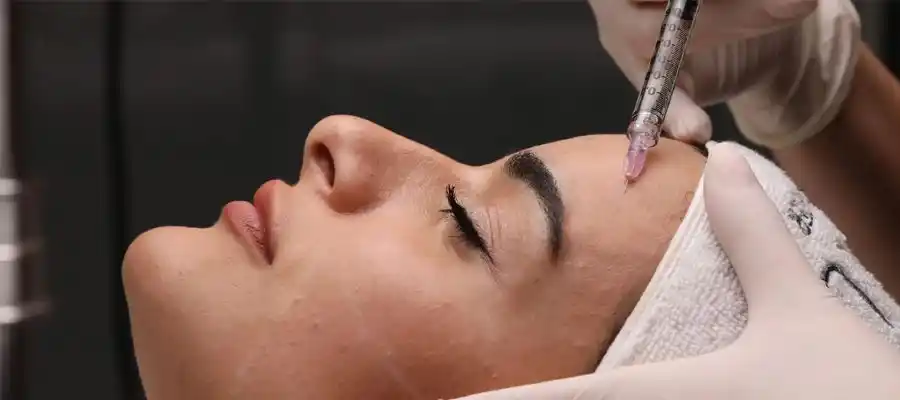
What is Alloblast Stem Cell Therapy?
Alloblast stem cell therapy is an advanced biotechnological method used for skin renewal, tissue repair and reducing the signs of aging. In this treatment, stem cell extracts produced in a laboratory environment are used to support the renewal of the skin and tissues. Stem cells are used to repair damaged areas in the body and to encourage the formation of new healthy cells. Alloblast therapy is generally a preferred method in aesthetic dermatology, wound healing and some chronic skin diseases.
What are the Benefits of Alloblast Stem Cell Therapy?
Alloblast stem cell therapy helps reduce wrinkles, skin blemishes and signs of aging by accelerating skin renewal. In addition, it can reduce the appearance of burn scars, acne scars and surgical scars by supporting wound healing. The growth factors and proteins found in stem cells increase skin elasticity and encourage collagen production. Thus, a brighter, younger and healthier skin appearance is achieved. It can also be used as a support in the treatment of hair loss and the improvement of joint disorders.
How is Alloblast Stem Cell Therapy Performed?
This treatment is usually applied with minimally invasive methods. First, the patient’s skin structure is evaluated and the appropriate dose is determined. Stem cell extracts are injected under the skin using the mesotherapy method or microneedling techniques. With these methods, stem cells directly reach the damaged tissues and initiate the healing process. The procedure usually takes between 30-60 minutes and patients can return to their daily lives immediately. It may usually take several sessions to see the effects of the treatment. The intervals and number of sessions are determined according to the patient’s needs.
What are the Effects of Alloblast Stem Cell Therapy?
After alloblast stem cell treatment, a significant regeneration, brightness and elasticity increase are observed in the skin. After the procedure, positive effects such as equalization of skin tone and reduction of fine wrinkles occur. Acne scars, scars and pigmentation problems are reduced over time. When applied in hair loss treatment, it can contribute to the strengthening of hair follicles and the formation of new hair. In joint treatments, it supports tissue repair and reduces pain and inflammation. Post-treatment side effects are usually minimal and are limited to temporary conditions such as mild redness and sensitivity.
In What Situations Is Alloblast Stem Cell Therapy Used?
This treatment is widely used in aesthetic dermatology for skin rejuvenation and spot treatment. It is effective in reducing the appearance of acne scars, burn scars and post-surgical scars. It is also a promising method for individuals experiencing hair loss problems. It can be used as a supportive therapy in joint disorders, musculoskeletal diseases and chronic wound healing. Due to the immune system regulating effects of stem cells, it is also being investigated in the treatment of some autoimmune diseases. However, it is important to get a doctor’s advice for pregnant women, nursing mothers and individuals with serious health problems.
How Many Sessions of Alloblast Stem Cell Therapy Are Applied?
The duration of alloblast stem cell treatment varies depending on the patient’s needs and the area being treated. It is usually applied in 3 to 6 sessions. Session intervals can vary between 2 and 4 weeks and are planned according to the doctor’s evaluation. While 3 sessions may be sufficient for mild skin problems or rejuvenation applications, 5-6 sessions may be required for deeper scars, wound treatment or hair loss. The aim is to achieve the best result by making a personalized plan.
Things to Consider After Alloblast Stem Cell Therapy
It is important to take some precautions as the skin may become sensitive after the treatment. Contact with extremely hot water, direct exposure to sunlight and the use of harsh skin care products are not recommended for the first 24-48 hours. Moisturizers and sunscreens recommended by the doctor should be used regularly to soothe the skin after the procedure. In addition, since the skin renewal process continues after the treatment, healthy nutrition, drinking plenty of water and staying away from cigarettes and alcohol will speed up the healing process. Excessive exercise and extremely hot environments such as saunas and Turkish baths are also not recommended for the first few days after the treatment.
When Will the Effect of Alloblast Stem Cell Injection Be Seen?
The effects of alloblast stem cell therapy may vary depending on the person’s skin type and the area treated. The first effects are usually noticeable within 2 to 4 weeks. The skin becomes brighter, tighter and smoother. However, it may be necessary to wait 3 to 6 months after the treatment is completed to see the full results. In hair loss treatment, the process of strengthening the hair follicles and new hair formation may be longer, up to 6 months. The results become more noticeable when regular care is provided after the treatment and a healthy lifestyle is adopted.
How Long Does Alloblast Stem Cell Treatment Last?
The permanence of alloblast stem cell treatment varies depending on the person’s skin type, lifestyle and supportive care used. Generally, the effects can last between 1 and 3 years. In applications for skin rejuvenation, the effects last for 1-2 years, while longer-term results can be obtained in wound and scar treatment. In hair loss treatment, the process can be longer, but the effect can be maintained with regular care and supportive applications. Additional sessions or supportive treatments can be recommended at certain intervals to increase permanence.
Why Is Alloblast Stem Cell Therapy Recommended?
Alloblast stem cell therapy is recommended because it offers effective results in skin rejuvenation, wound and scar treatment, hair loss and joint disorders. This treatment is a biotechnological method that does not harm the body and triggers a natural renewal process. The growth factors and proteins in stem cells accelerate tissue repair, making the skin look healthier and younger. At the same time, it offers a safe alternative for individuals who want to avoid surgical procedures because it is a minimally invasive method.
One of the most important advantages of the treatment is the rapid healing process and natural results. While providing skin renewal, it also has positive effects on wrinkles, spots and scars. In addition, it is also being investigated in the treatment of some autoimmune diseases thanks to its immune system-supporting effect. Regular application of Alloblast treatment can slow down the aging process by improving skin quality in the long term.
What is the Difference Between Alloblast and Fibrocell?
Although both Alloblast and Fibrocell are stem cell treatments used for skin rejuvenation and tissue regeneration, there are some important differences between them. Alloblast is a treatment method that uses stem cell extracts produced in a laboratory environment. In this process, specially developed cells are applied to the skin to support collagen production and skin regeneration.
Fibrocell is a procedure performed by multiplying fibroblast cells taken from the patient’s own tissues in a laboratory environment. This method provides tissue renewal using the individual’s own cells. However, since this procedure requires taking a tissue sample from the patient and multiplying the cells in a laboratory environment, the process may take longer.
While Alloblast treatment can be applied faster because it uses ready-made stem cell extracts, Fibrocell requires a longer-term treatment process because it is applied with personalized cells. Which method is preferred should be determined according to the person’s needs and the doctor’s recommendations.
Alloblast Stem Cell Therapy Prices 2025
Prices for Alloblast stem cell treatment may vary depending on the area to be treated, the number of sessions, and the clinic where the treatment is performed. As of 2025, prices may change depending on technological developments and market conditions in the aesthetic and health sector.