


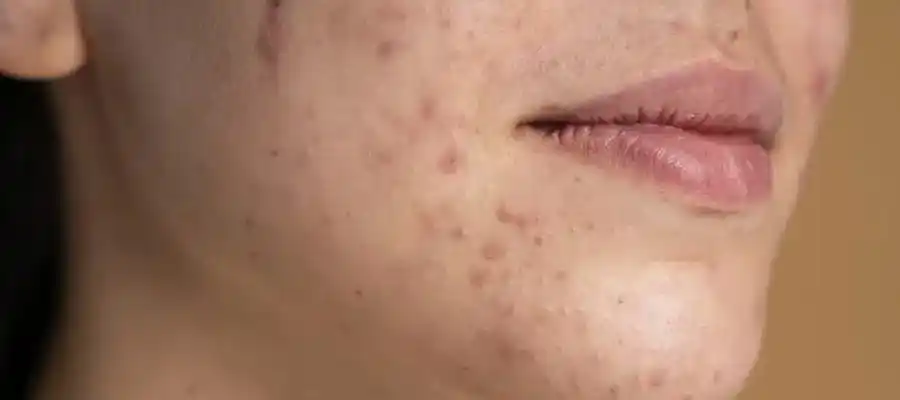
What is Acne Scar Treatment?
Acne scar treatment covers various medical and cosmetic applications that aim to reduce or completely eliminate the scars that form after acne on the skin. Acne scars are scar tissues that form during the healing process of the skin, especially after inflammatory acne. These scars may be pitted, raised or discolored depending on the skin structure and the severity of acne. Treatment methods are selected according to the type of scars and skin type. Different techniques such as laser treatment, chemical peeling, dermapen, PRP and filler applications are used to renew the skin surface and provide a smoother appearance. Acne scar treatment can be a long-term process and complete recovery may not be achieved with a single method. Therefore, it is very important to determine the appropriate treatment plan with the help of a specialist dermatologist.
When Should Acne Scar Treatment Be Done?
Acne scar treatment should be done after the active acne problem has completely disappeared. It is important for the skin to calm down and for new acne to stop forming before starting treatment. Procedures performed while active acne continues can trigger new acne formation and negatively affect the treatment process. Generally, the most suitable period for acne scars is the period when the skin can renew itself and sensitivity decreases. Autumn and winter months are advantageous in terms of treatment, especially since they are times when the sun is less effective. Some treatments performed in the summer months can increase the sensitivity of the skin and cause sun spots. Therefore, the timing of the treatment should be determined by a dermatologist and a plan should be created that is suitable for the skin structure.
Methods Used in Acne Scar Treatments
The treatment methods used to remove acne scars vary depending on the depth and type of the scars. Laser treatment is one of the most common and effective methods. Fractional laser acts on the lower layers of the skin, increasing collagen production and ensuring skin renewal. Chemical peeling removes dead cells by peeling the upper layer of the skin and provides a fresher appearance. Dermapen (microneedling) method encourages collagen production by creating controlled micro damage on the skin surface. PRP treatment supports skin renewal by using platelets obtained from the person’s own blood. Skin care routines and medical creams can also be beneficial for light and superficial scars. Filling injections can be used on deep hollow scars to give the skin a smoother appearance. Each treatment method should be determined specifically for the person and applied under the supervision of a specialist.
Which areas can be treated for acne scars?
Although acne scars are most commonly seen on the face, they can also appear and be treated in other areas of the body. The face, especially the cheeks, forehead and chin area, are the areas where acne scars are most common. In addition, the back, chest and shoulder areas are also areas where acne is frequently seen and can leave scars. Treatments performed in these areas may be similar to procedures performed on the face, but different methods can be applied depending on the skin structure. While milder procedures are preferred in sensitive areas such as the face, stronger treatments can be applied in areas with thicker skin such as the back and chest. The appropriate treatment method for each area is determined, aiming to lighten the scars and improve the skin texture.
What is the Most Common Type of Acne Scars?
Acne scars can appear in different forms and the most common type is pitted (atrophic) scars. These types of scars form as depressions on the skin and usually occur after inflammatory acne. Atrophic scars are divided into different types. Ice pick scars are deep and narrow pits, while boxcar scars are wider and have sharp edges. Rolling scars create irregular pits on the skin surface, causing a wavy appearance. Apart from these, raised (hypertrophic) scars can also be seen and usually occur in areas such as the back and chest. Red or brown pigmentation scars form as a color change on the skin surface and may fade over time. Depending on the type of acne scars, the appropriate treatment method should be determined and a regular care routine should be applied.
What Causes Acne Scars?
Acne scars occur due to abnormal tissue formation during the healing process of acne inflammations on the skin. When acne occurs, inflammation occurs in the skin and the body produces collagen to heal this area. However, if sufficient or balanced healing is not achieved, hollow or raised scars may form on the skin. One of the most common reasons for acne scars is unconsciously squeezing acne. Squeezing acne can spread inflammation to deeper layers of the skin, increasing tissue damage and causing scars to become more visible. In addition, genetic predisposition is also an important factor in acne scar formation. Since some people’s skin is more sensitive to injuries, acne can leave scars more easily. Inflamed and large acne tends to leave deep scars, especially when left untreated. In addition, neglecting skin care can cause acne formation to increase and therefore scars to become permanent.
How to Get Rid of Acne?
In order for acne to go away, a regular skin care routine should be implemented and habits that may irritate the skin should be avoided. The face should be gently cleaned every day with a cleanser suitable for the skin type and severity of acne. Using a moisturizer that does not dry the skin and does not clog the pores can reduce the formation of acne by maintaining the moisture balance of the skin. One of the most effective methods for acne treatment is to use medical creams and serums that vary depending on the active ingredients they contain. Ingredients such as salicylic acid, benzoyl peroxide and retinoids can dry out acne and prevent new formations. In addition, a healthy diet and avoiding oily, processed foods can also help reduce acne formation. Excessive oil consumption and hormonal imbalance can increase oil production in the skin and cause acne to multiply. Stress management is also important in the fight against acne because stress can trigger oil production in the skin by increasing cortisol levels in the body. Regular sleep and drinking plenty of water can help the skin look healthier. If acne is constantly recurring and severe, drug treatment or professional skin care options can be evaluated under the supervision of a dermatologist.
What is Good for Acne Scars?
Natural and medical methods that support the skin’s renewal process can be applied to reduce acne scars. Natural masks made at home can contribute to the improvement of skin texture with the vitamins and antioxidants they contain. Serums, especially those containing vitamin C, can help acne scars disappear faster by correcting skin color inequality. Professional methods such as laser treatments, chemical peeling and microneedling help to achieve a smoother appearance by peeling off the damaged layer of the skin. In addition, active ingredients such as niacinamide, hyaluronic acid and retinol are among the ingredients that are good for acne scars. These substances contribute to the lightening of scars by accelerating skin renewal. Since sun rays can make acne scars more visible, regular use of sunscreen can also prevent the darkening of scars. Since it may take a long time for acne scars to completely disappear, it is necessary to be patient and regular care routines should not be neglected.
How to Care for Acne-Prone Skin?
The most important step in acne skin care is to cleanse the skin without irritating it and to maintain the oil balance. A gentle cleanser that does not dry the skin but also removes excess oil should be used daily. Using excessively harsh cleansers can damage the skin’s protective barrier and cause more oil production. Moisturizing is a step that should not be neglected for acne skin. Oil-free and water-based moisturizers provide moisture balance without weighing down the skin. Applying a clay mask or peeling a few times a week can prevent pores from clogging by removing dead skin cells. However, excessive peeling can irritate the skin and increase acne, so it should not be overdone. One of the most important points for acne skin is the use of sunscreen. Acne skin can be more sensitive to the harmful effects of the sun, and acne scars can darken with sun rays. Using a light formula sunscreen that does not leave an oily feeling can help protect skin health. Eating habits also have a great effect on skin health. Staying away from oily, sugary and processed foods, drinking plenty of water and eating a vegetable-based diet can reduce acne. In addition, avoid squeezing pimples and pay attention to hygiene rules. The healthiest approach would be to regularly consult a dermatologist and create a care routine that suits your skin type.
Acne Scar Treatment Prices 2025
Acne scar treatment prices may vary depending on the method applied, the location of the clinic, and the doctor’s level of expertise. As of 2025, laser treatments are one of the most commonly preferred methods, and the price per session usually ranges between 3,000 TL and 10,000 TL. Procedures such as chemical peeling and microneedling are more affordable, and can range between 1,500 TL and 5,000 TL on average. PRP treatment and mesotherapy applications are also frequently used methods to lighten acne scars, and their prices can range between 2,000 TL and 6,000 TL per session. Dermal fillers are a method used especially to fill deep hollow scars, and depending on the filler brand, their prices can range from 5,000 TL to 15,000 TL. Since acne scar treatment is a long-term process, a single session is usually not enough and several sessions may be required. Therefore, the total cost may vary depending on the person’s skin structure, the depth of the scars, and the preferred method. Before starting treatment, a detailed skin analysis should be performed and a treatment plan that fits your budget should be created. Since prices may change each year, it would be best to contact the clinics directly for up-to-date pricing information.