


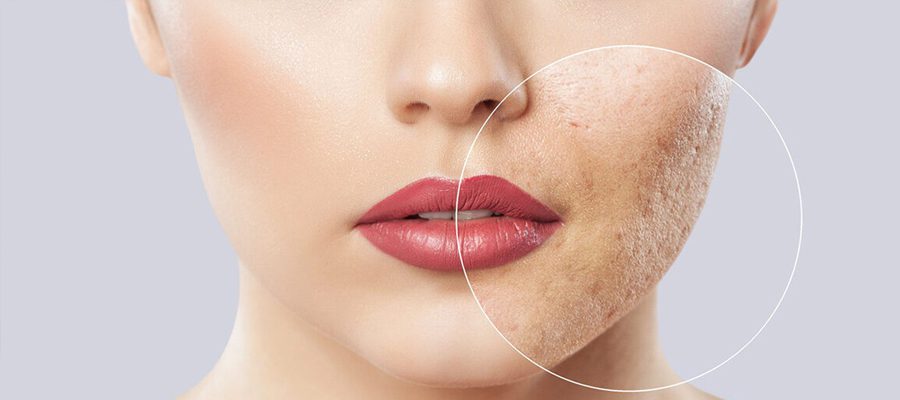
What is Acne Treatment?
Acne treatment is a process that aims to control acne and inflammatory lesions on the skin and to restore a healthy appearance to the skin. Treatment can be applied with different methods depending on the type of acne, its severity and the person’s skin structure. In mild acne cases, skin cleansing and appropriate dermocosmetic products may be sufficient, while more advanced drug therapy, medical applications or professional skin care may be required.
Topical treatments (applied to the skin) are usually the first choice. These creams and gels help balance excess oil on the skin and unclog pores to prevent acne. Retinoids, antibiotic creams, and ingredients like benzoyl peroxide are commonly used in acne treatments.
In moderate to severe acne, oral medications can be used under the supervision of a doctor. Antibiotics can help reduce inflammatory acne, while birth control pills or hormonal regulators may be prescribed for hormonal acne. Stronger medications such as isotretinoin are effective in the most severe cases of acne, but should be used under the supervision of a doctor due to their side effects.
Medical treatments include chemical peels, laser treatments, light therapies, and vitamin supplements injected under the skin. Chemical peels remove the top layer of skin, clearing pores and speeding up skin cell renewal. Laser treatments can provide permanent results by destroying acne-causing bacteria and regulating oil production.
Acne treatment is a long-term process and should be planned specifically for each individual. Creating a skin care routine, eating healthy and paying attention to stress management are important factors that increase the success of the treatment.
What is Acne and Why Does It Occur?
Acne is a skin disease that occurs when the oil glands in the skin become blocked and inflamed. It is most commonly seen on the face, back, shoulders and chest. Acne usually occurs during puberty due to hormonal changes, but it can also occur in adults.
The sebaceous glands in the skin produce a natural oil called sebum. Sebum is normally needed to moisturize and protect the skin. However, when excess sebum is produced, pores become blocked and bacteria accumulate on the skin’s surface, causing inflammatory acne.
The causes of acne include hormonal changes, genetic factors, stress, eating habits and wrong skin care products. The frequency of acne may increase especially during periods of hormonal fluctuations such as puberty, pregnancy and menstruation.
Certain foods, especially high glycemic index foods and dairy products, can trigger acne in some people. In addition, using oily or comedogenic (pore-clogging) cosmetics can also cause acne on the skin.
Additionally, bad habits such as frequently touching the face with hands, using dirty pillowcases, and sleeping without removing makeup can also increase the occurrence of acne.
Acne is not only an aesthetic problem, but can also be a psychologically disturbing condition. Correct treatment methods should be applied early to prevent scarring on the skin.
In Which Situations Is Acne Seen?
Acne can occur in different age groups and for various reasons. The most common conditions are:
Adolescence: During this period when hormone levels are changing rapidly, oil production increases and causes pores to become clogged. This leads to intense acne, especially in the T-zone (forehead, nose and chin) and on the back and chest.
Hormonal Changes: Hormone levels fluctuate during pregnancy, birth control pill use, menstrual cycle, and menopause. This can increase oiliness in the skin and cause acne.
Genetic Predisposition: Individuals with a family history of acne may have a higher risk of acne, as skin structure and oil production are genetically similar.
Stress and Sleep Patterns: Stress increases cortisol levels, making the oil glands more active. At the same time, irregular sleep can negatively affect the skin’s self-renewal process and trigger acne.
Wrong Skin Care: Using cleansers, creams or makeup that are not suitable for your skin type can clog pores and lead to acne. Also, frequently scrubbing the skin or applying harsh exfoliants can irritate the skin and worsen acne.
Eating habits: Some foods, such as fast food, sugary drinks, chocolate, milk and dairy products, can increase acne in some people. A healthy, balanced diet is an important factor for skin health.
Certain Medications and Chemicals: Corticosteroids, lithium-containing medications, and some hormone therapies can cause acne as a side effect. In addition, certain occupations can cause acne if people are constantly exposed to chemicals or oily substances.
Since acne is a condition that can occur due to different reasons, it is important to determine the causes well before starting treatment.
How to Prevent Acne Formation?
To prevent acne formation, many factors, from skin care to eating habits, should be taken into consideration. Here are some methods that can be applied to prevent acne formation:
Use a Cleanser Suitable for Your Skin Type: For oily and acne-prone skin, cleansers containing salicylic acid or benzoyl peroxide should be preferred. It is sufficient to cleanse the skin twice a day, morning and evening.
Moisturize Skin: Even oily skin needs moisture. Maintain skin’s moisture balance by using light, water-based, non-comedogenic moisturizers.
Make Sure to Cleanse Your Makeup: Removing your makeup completely at the end of the day prevents pores from clogging. Water-based makeup removers should be preferred, not oil-based ones.
Keep Your Hands Away from Your Face: Throughout the day, our hands touch many surfaces and carry bacteria. Therefore, it is necessary not to touch the face frequently.
Eat Healthy: Reducing sugary and processed foods and consuming vegetables, fruits and foods rich in omega-3 fatty acids supports skin health.
Drink Plenty of Water: Water helps flush toxins from the body, making the skin look healthier and brighter.
Get Regular Sleep and Manage Stress: Quality sleep and stress management can reduce acne formation by maintaining hormonal balance.
How to Get Rid of Acne Scars? Scar Removal Products and Treatment Methods
Acne scars can create permanent spots or pits on the skin, especially in severe cases. Different products and treatment methods can be applied to remove these scars.
Topical products include serums containing vitamin C, niacinamide, and retinoids. These ingredients help speed up skin renewal and fade acne scars. Chemical peels also help skin renewal by removing dead cells from the skin’s surface.
Medical aesthetic methods can be preferred for deeper scars. Laser treatment is one of the most effective methods for reducing acne scars. Fractional lasers can eliminate scars over time by encouraging collagen production under the skin. Microneedling method allows the skin to repair itself by opening small micro-holes on the skin surface. Dermal filler applications can also temporarily correct the appearance of hollow scars.
Getting rid of acne scars requires patience and regular maintenance is important for best results. Using products suitable for your skin type and getting support from a dermatologist can make the process more effective.
Common Mistakes and Correct Practices in Acne Care
Mistakes made in acne treatment can prevent the treatment from being successful and cause the skin to get worse. Using the wrong product, washing the skin too often or squeezing acne are the most common mistakes.
Over-cleansing the skin can disrupt the natural oil balance and cause more sebum production. Instead, gently washing the skin with a suitable cleanser morning and night is the best approach. Squeezing or picking at acne also increases the risk of infection and can cause scarring. Instead, using acne drying and anti-inflammatory products is a healthier solution.
Using the wrong product is also a big problem. Products that are not suitable for acne, contain heavy oils or are comedogenic can clog pores and make the situation worse. Oil-free and water-based products should be preferred. At the same time, the treatment should be continued regularly; because a product needs to be used regularly for at least a few weeks to show its effect.
Acne Treatment with Natural Methods
Natural methods can be used as a supportive treatment for mild cases of acne. Natural ingredients such as honey, aloe vera, and tea tree oil have skin-soothing and antibacterial properties.
Honey is a natural antibacterial and moisturizes the skin, speeding up the healing process. Aloe vera reduces inflammation and soothes the skin, protecting against acne. Tea tree oil is also a powerful antimicrobial, fighting acne-causing bacteria.
Making changes to your diet also contributes to natural treatment. Avoiding sugary and processed foods, drinking plenty of water, and eating a diet rich in fruits and vegetables supports skin health. Regular sleep and stress management can also help reduce acne.
Fighting Hormonal Acne
Hormonal acne is a type of acne that occurs especially during puberty, menstrual cycle and menopause. It usually manifests itself as deep, painful pimples in the chin and cheek area.
One of the most effective ways to deal with hormonal acne is to use medications that provide hormonal balance. Birth control pills or anti-androgen medications can be used with the advice of a doctor. In addition, making changes to your diet is also beneficial. Dairy products, sugary foods, and processed carbohydrates can trigger hormonal acne, so it is important to avoid these foods.
Stress management also plays a big role in combating hormonal acne. Yoga, meditation, and regular exercise can help balance cortisol levels and reduce acne.
Which Foods Cause Acne?
Certain foods can disrupt the body’s hormonal balance and cause acne. High glycemic index foods and dairy products in particular can increase acne formation.
Sugary drinks, white bread, fast food and processed foods rapidly raise blood sugar levels and increase insulin levels. This can increase sebum production in the skin, which can lead to clogged pores. Milk and dairy products can trigger hormonal acne, especially due to the hormones they contain. Instead, a diet rich in whole grains, green vegetables, healthy fats and protein can support skin health.
Drinking plenty of water helps flush toxins from the skin and reduces acne. Additionally, foods containing omega-3 (fish, flaxseed, walnuts) can contribute to skin health by reducing inflammation.
Acne Treatment Prices 2025
Acne treatment prices vary depending on the method used, the duration of treatment, and the clinics’ pricing policies. In 2025, dermatological treatment prices may differ depending on technological developments and market conditions.