


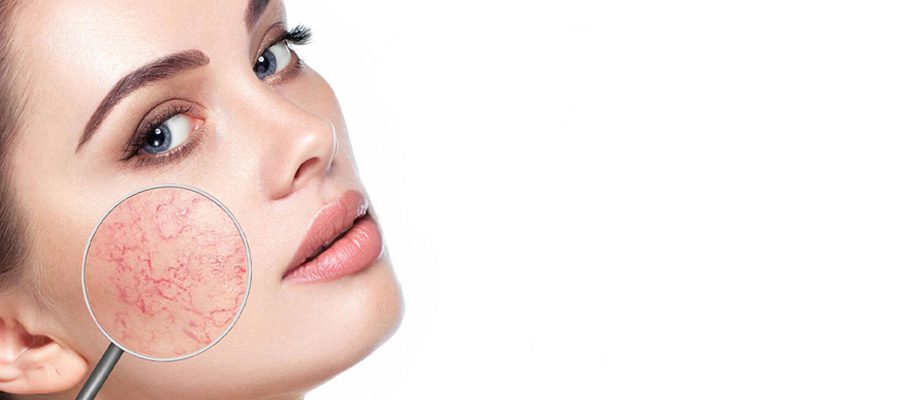
What is Capillary Vein Treatment?
Capillary vein treatment is a method used to eliminate or reduce the appearance of thin veins that become visible on the skin surface. Capillaries usually appear on the face, legs or around the nose and can cause aesthetic concerns. These veins become visible by expanding under the skin and may appear reddish, purplish or blue in color.
Capillary veins do not usually pose a serious health problem, but in some cases they can cause complaints such as burning, itching or sensitivity. Capillary veins, especially in the leg area, can cause pain when standing for a long time or when combined with circulation problems.
There are various methods such as laser applications, sclerotherapy and radio frequency among the treatment methods. Which method will be applied depends on the size and depth of the veins and the skin structure of the person. The most appropriate treatment method is determined by an expert doctor.
How is Capillary Vein Treatment Performed?
Capillary treatment can be applied with different techniques depending on the type and size of the veins. One of the most commonly used methods is laser treatment. Laser beams are absorbed by the hemoglobin in the vein and cause the vein to be destroyed by heat. In this process, the vein gradually disappears and is absorbed and excreted by the body.
Another method is injection treatment called sclerotherapy. In this method, a special solution is injected into the vein. This solution stops the blood flow by sticking the vein walls and the vein disappears over time. Sclerotherapy is generally preferred in the treatment of capillary veins in the legs.
Radiofrequency method is another effective method used in the treatment of capillaries. In this method, the vein is heated and destroyed by using high frequency radiofrequency waves.
There may be a slight burning or stinging sensation during the treatment, but it is generally not very painful. After the procedure, the treated area should be given special care and protected from the sun.
What is Capillary Laser Treatment?
Laser capillary treatment is a method that uses specially designed laser beams to destroy blood vessels. Laser beams affect the hemoglobin in the vessel, causing the vessel to close over time. This method is especially effective for thin capillaries in the face, around the nose and on the legs.
Laser treatment is a non-invasive method, so no surgery is required. During the procedure, laser shots are applied to the skin and the veins are heated and destroyed. The procedure usually takes 15-30 minutes, and after a few sessions, the appearance of capillaries is greatly reduced.
The advantages of laser treatment include a fast recovery process, minimal side effects, and effective results. However, slight redness or sensitivity may occur on the skin after the procedure. Sun protection and keeping the skin moist are among the factors that increase the success of the treatment.
What are the causes of capillary formation?
The formation of capillaries can be caused by many different factors, including genetic predisposition, environmental factors, and lifestyle factors.
Genetic predisposition is one of the most important reasons for the formation of capillaries. People with a family history of capillary problems are more likely to experience this problem.
Excessive exposure to the sun can cause thinning of the skin and visible veins. Especially in the facial area, the veins can dilate and become permanent due to the effect of the sun.
Hormonal changes, especially during pregnancy, birth control pills or menopause, can cause spider veins to appear. Hormones can trigger the veins to widen and lose elasticity.
Standing or sitting for long periods of time can affect blood circulation in the legs, increasing the formation of capillaries. Especially in people who work standing up all the time, capillary problems in the legs are more common.
Alcohol and cigarette use can negatively affect vascular health and cause capillaries to dilate.
A combination of one or more of these factors may lead to the appearance of capillaries.
Who is Not Applied to Capillary Vein Treatment?
Capillary treatment is a procedure that may be unsafe to apply in some cases. First of all, treatments such as laser or sclerotherapy are not recommended for pregnant women. Since the vascular structure may change during pregnancy, treatment is postponed until after birth.
This treatment may not be suitable for people who are taking blood thinners or have clotting problems. Blood clotting slower than normal can increase the risk of bruising and bleeding after treatment.
Caution should also be exercised in people with diabetes or weakened immune systems. In such patients, the healing process may take longer and the risk of infection may increase.
In addition, people with skin diseases should first get approval from a dermatologist. Especially those with eczema, psoriasis or active infections may develop complications after treatment.
What Should Be Considered in Capillary Vein Treatment?
Paying attention to some rules before and after the treatment increases the success of the procedure and protects skin health.
Before treatment, it is important that the skin surface is clean and free of sunburn. If laser treatment is to be applied, sun protection should be avoided for a few weeks before the procedure.
One of the most important issues after treatment is sun protection. The skin becomes sensitive after laser or injection and sun rays can increase the risk of blemishes.
Hot environments such as hot water, sauna or Turkish bath should be avoided for 24 hours after treatment. Cosmetic products that may irritate the skin should not be used.
How Many Sessions Does Capillary Vein Treatment Take?
Capillary vein treatment may require a varying number of sessions depending on the density of the veins and the person’s skin structure. Generally, 2-4 sessions are required for laser treatment and 3-6 sessions are required for sclerotherapy.
The time between sessions is usually between 4-6 weeks. This process is necessary for the skin to heal and the veins to disappear. In mild cases, even one session may be sufficient, but more intense capillary problems may require several sessions.
In order to successfully complete the treatment process, it is important to follow the doctor’s recommendations and go for regular check-ups.
What are the Side Effects of Capillary Treatment?
Capillary vein treatment is generally a safe procedure, but some side effects may occur. These side effects may vary depending on the method used and the person’s skin type.
One of the most common side effects is temporary redness and tenderness. With laser or sclerotherapy, there may be mild redness and a warm feeling in the treated area. These effects usually disappear within a few hours.
Some people may experience mild swelling or bruising. Especially in treatments performed with sclerotherapy, the solution injected into the vein may cause a reaction in the surrounding tissues. These bruises usually disappear on their own within a few days.
Skin blemishes are also rare side effects. Especially in people with fair skin, temporary dark or light color changes may occur after laser treatment. This can be prevented by protecting yourself from the sun and using creams recommended by your doctor.
In very rare cases, crusting or small wounds may occur. This usually occurs in people with sensitive skin or when the wrong care process is applied. In such a case, not picking the crusts and keeping the skin moist will speed up the healing process.
In general, side effects are mild and temporary. However, procedures performed by a specialist doctor should be preferred to minimize complications that may occur after treatment.
What are the rules to be followed after capillary treatment?
In order to maintain skin health after treatment and get the best results from the procedure, it is necessary to follow certain rules.
First of all, sun protection is one of the most important points. After laser or sclerotherapy, the skin becomes sensitive and sun exposure can cause spots. Therefore, it is recommended to use sunscreen for at least 2 weeks.
It is also important to avoid extremely hot environments. Places such as saunas, hot showers, and Turkish baths can cause skin irritation during the first few days after treatment. You can help your skin heal faster by staying away from such environments.
Regular moisturizing helps the treated area heal. Creams recommended by the doctor should be applied regularly to prevent skin drying, especially after laser treatment.
After treatment, heavy exercise and standing for long periods of time should be avoided. Standing for long periods of time, especially after treatment for capillary veins in the legs, can cause the veins to become visible again.
Smoking and alcohol consumption can also negatively affect the healing process. Therefore, it is beneficial to limit smoking and alcohol consumption for a few weeks after treatment.
In order for the treatment process to be successful, the instructions given by the doctor must be followed completely and the doctor must be consulted in case of any unexpected situation.
How to Eliminate Capillary Vein Appearance?
Different methods can be applied to eliminate the visible appearance of capillaries. One of the most effective methods is laser treatment. Laser beams affect the hemoglobin in the vein, causing the vein to disappear over time. This method is quite successful in reducing the appearance of thin veins on the face and legs.
Another method is injection treatment called sclerotherapy. In this method, a special solution is injected into the vein, which closes the vein and disappears over time.
If the capillary problem is mild, herbal treatments and lifestyle changes can also help. For example, foods containing vitamin C can strengthen the walls of blood vessels and prevent the formation of new vessels. In addition, regular exercise and massage can help reduce capillaries by increasing blood circulation.
Some cosmetic products can also temporarily cover up the appearance of capillaries. Green-toned concealers, in particular, can hide the appearance of reddish veins, providing a smoother skin appearance.
However, for a definitive and permanent solution, professional treatment methods should be preferred.
What Opens Capillaries Best?
Some natural methods and medical treatments can be used to open the capillaries and improve blood circulation.
First of all, consuming foods that increase blood circulation supports vascular health. Foods containing vitamin C, vitamin E and omega-3 fatty acids can prevent capillary dilation by strengthening vascular walls.
Massage can prevent blood clots by accelerating blood circulation. Regular massages with light pressure are especially beneficial for vein health in the legs.
Hot and cold water therapy can help increase circulation by helping the blood vessels to constrict and expand. Applying hot and cold water alternately to the legs during a shower can strengthen the blood vessels.
However, the most effective methods to ensure that the capillaries are completely opened and eliminated are professional treatments. Procedures such as laser or sclerotherapy provide long-term solutions by directly targeting the veins that have become visible.
What Happens If Capillary Veins Are Not Treated?
Capillary veins usually do not cause serious health problems, but over time they can become visible and aesthetically disturbing. If left untreated, the veins can continue to expand and become more visible on the skin surface.
If the capillaries in the leg area are not treated, they can lead to varicose veins. Varicose veins are a condition that occurs when the veins become wider and more visible due to slow blood circulation. This can cause pain, swelling and fatigue in the legs.
In some cases, untreated spider veins can cause skin sensitivity and inflammation. Veins can become more visible, especially in areas exposed to the sun, and skin blemishes can occur.
If the capillary problem progresses, blood circulation may be impaired and vascular ruptures may occur. This may manifest itself with small bleeding and bruising under the skin.
In summary, if capillaries are not treated, they will become more visible over time and may cause circulation problems. Early treatment is more advantageous both in terms of aesthetics and health.
Capillary Treatment Prices 2025
Capillary treatment prices vary depending on the method applied, the width of the area to be treated, and the pricing policies of the clinics. In Türkiye, it is not legal for centers approved by the Ministry of Health to state prices on their websites. Therefore, it is recommended that you contact the relevant clinics or health centers directly to obtain the most accurate and up-to-date information about treatment costs.
Is There Any Pain During Capillary Vein Treatment?
Capillary treatments are generally minimally invasive procedures and are well tolerated by patients. During laser treatment, some patients may experience a slight burning or stinging sensation. However, this sensation is usually tolerable and disappears quickly after the procedure. Other methods, such as sclerotherapy, may also cause minimal discomfort. In most cases, patients can return to their daily activities immediately after treatment.
Do Veins and Capillaries Return After Treatment?
After capillary treatment, the treated veins are permanently destroyed and absorbed by the body. However, this does not mean that new veins will never form in the treated area. Treated veins do not reopen, but the body can develop new capillaries over time.
The formation of new blood vessels depends on a person’s genetic makeup, lifestyle and environmental factors. If a person stands for long periods of time, is exposed to excessive sunlight or has habits that negatively affect vascular health, it is possible for new capillaries to appear.
New veins may become visible over time, especially in the face, around the nose, or on the legs, in place of the treated veins. To prevent this, it is recommended to protect yourself from the sun, eat a healthy diet, and exercise regularly after treatment.
Treated veins do not reopen and disappear, but it is important to take regular care and preventive measures to prevent the formation of new veins.
Is Capillary Vein Treatment a Painful Procedure?
The amount of pain felt may vary depending on the methods used in capillary treatment. However, in general, these procedures are not unbearably painful, although they may cause mild discomfort.
Laser capillary treatment is one of the most commonly used methods and there may be a slight stinging or burning sensation during the procedure. As the laser beams target and destroy the veins, it may cause a slight warming sensation. Most clinics use devices that apply cooling gel or air to the skin to reduce this sensation.
Sclerotherapy is a treatment method that involves injecting a special solution into a vein. You may experience a stinging sensation, but most patients find the procedure tolerable.
Radiofrequency treatment is performed using high-frequency waves through thin needles. A slight tingling sensation may be felt during the procedure, but this can be reduced by using local anesthetic creams.
After the procedure, there may be slight sensitivity, redness or itching on the skin, but these effects disappear in a short time. If you have a low pain threshold, you can inform your doctor and request the use of pain-relieving creams or cooling techniques.
In general, capillary vein treatment is a procedure that may cause mild discomfort but is bearable.
Is Capillary Vein Treatment Permanent?
The methods used in capillary treatment permanently destroy the targeted vessels. However, this does not mean that the body does not create new vessels.
Veins destroyed by methods such as laser treatment, sclerotherapy or radiofrequency do not come back. However, due to genetic predisposition, lifestyle and environmental factors, new capillaries may form in different areas or in the same area.
Especially standing for long periods of time, excessive sun exposure, smoking and alcohol use, hormonal changes and circulatory disorders can trigger the formation of new vessels. Therefore, it is important to take precautions to protect vascular health after treatment.
In order for the treatment to be long-lasting, the following points should be taken into consideration:
- Protecting yourself from sunlight and using sunscreens with high SPF,
- Improving blood circulation by doing regular exercise,
- Avoiding habits that negatively affect vascular health, such as smoking and alcohol,