


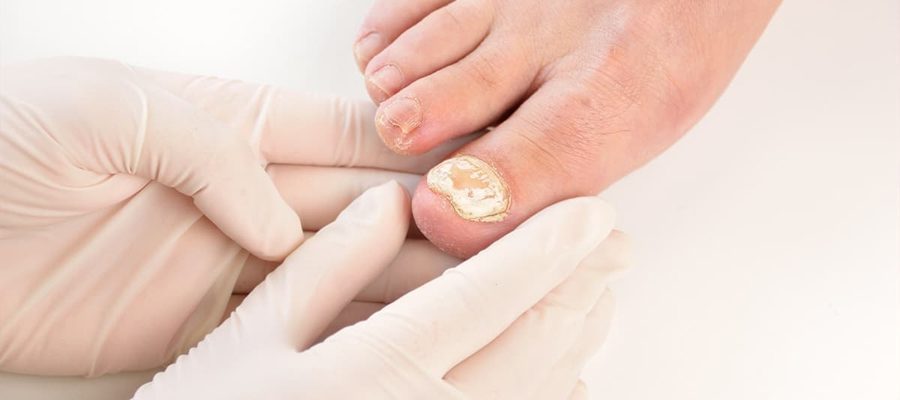
What is Nail Fungus?
Nail fungus is a common infection that causes discoloration, thickening, and brittle nails. It is usually caused by fungi called dermatophytes and is known by its medical name as “onychomycosis”. It can affect both fingernails and toenails, but is more common in toenails. Fungi that develop in moist and warm environments settle under the nail and deform the nail over time and can spread. If left untreated, the fungal infection can lead to nail loss and spread to surrounding tissues.
What is the Treatment for Nail Fungus?
Nail fungus treatment varies depending on the level of infection and is usually a long-term process. In mild cases, antifungal creams, sprays or special nail polishes are used to try to clear the fungus. However, in more advanced cases, oral antifungal medications are recommended. These medications prevent the fungus from spreading and help the nail to grow back healthy. Laser therapy has also become a popular method in recent years because it can treat the fungus directly by targeting it without damaging the nail tissue. In advanced cases, the infected nail may need to be completely removed. The treatment process can usually last from a few months to a year, as it takes time for the nail to completely regenerate.
How to Treat Nail Fungus?
Nail fungus requires a regular and disciplined treatment process to pass. In the first stage, hygiene rules should be followed to prevent the spread of the fungus. Antifungal drugs or creams should be used daily and nails should be kept clean and dry. Natural methods can also be supportive in mild infections, but in advanced cases, antifungal drug treatment under the supervision of a doctor is essential. Modern methods such as laser treatment can also help to clear the fungus faster. It is important to be patient during the treatment process, because it can take a long time for the nail to completely regenerate. If the fungus recurs, it is important to start treatment early.
What is Good for Nail Fungus?
The most effective methods for treating nail fungus include antifungal creams, medications, and natural solutions. Natural antiseptics such as tea tree oil, apple cider vinegar, and baking soda can speed up the healing process by preventing the spread of the fungus. In addition, keeping feet dry and wearing cotton socks can prevent the spread of the fungus. Natural antibacterial ingredients such as lemon juice and garlic can also help against nail fungus. However, natural methods alone may not be enough for advanced fungal infections, so medication should be started with a doctor’s recommendation.
What Causes Nail Fungus?
The causes of nail fungus include lack of hygiene, moist environments, a weak immune system, and infection from shared areas. Moist areas such as shared showers, pools, or gyms can increase the risk of catching a fungal infection. Sweaty or wet feet also create a suitable environment for fungus to develop. Wearing tight and unventilated shoes can cause constant pressure on the nails and make it easier for fungus to develop. In addition, people with health problems such as diabetes or poor circulation are more prone to nail fungus.
What are the symptoms of nail fungus?
The symptoms of nail fungus usually manifest themselves with changes in the color and structure of the nail. The most common symptoms are yellowing, brown or white spots on the nail. Over time, the nail may thicken, become brittle and emit a foul odor. As the infection progresses, the nail surface may become rough and sometimes separate from the nail bed. If the fungus is not treated, the infection can progress and spread to other nails. Therefore, it is important to intervene early when symptoms of nail fungus are noticed.
What are the causes of nail fungus?
The main reasons for the formation of nail fungus include humid and hot environments, lack of hygiene and a weakened immune system. Shared areas such as showers, pools, baths or gyms are suitable environments for the fungus to spread. Walking around barefoot in particular can cause the fungus to spread from infected surfaces. Constantly wearing closed, airless and tight shoes can also cause the fungus to develop, as this causes the nails to remain moist and creates a suitable environment for the fungus. At the same time, not cutting the nails regularly and unhygienic manicure and pedicure procedures can also cause fungal infections. People with diabetes, poor circulation or a weak immune system may be more prone to nail fungus.
What are the Nail Fungus Treatment Methods?
There are many different methods that can be used to treat nail fungus, and the treatment method varies depending on the extent of the fungus. In mild cases, antifungal creams, sprays, and special medications in the form of nail polish can be applied directly to the nail to prevent the growth of the fungus. In more serious infections, oral antifungal medications are recommended. These medications aim to eradicate the fungus, but they require regular use. In recent years, laser treatment has also emerged as an effective method against nail fungus. Laser beams are applied directly to the fungal area to help eliminate the fungus. In advanced cases, the infected nail can be completely removed with surgical methods. The doctor should determine which treatment method is appropriate, depending on the extent of the fungus and the person’s health condition.
Things to Consider for Nail Fungus Treatment at Home
Some home remedies can support the treatment of nail fungus. First of all, nails should always be kept clean and dry. Washing your feet regularly and not wearing socks without thoroughly drying them will prevent the spread of the fungus. Products with natural antifungal properties such as tea tree oil, apple cider vinegar and baking soda can be applied to the nail. In addition, wearing cotton socks and ensuring that your shoes are ventilated can prevent the development of the fungus. To prevent the spread of the fungus, personal care products such as nail clippers and files should not be shared with others. These home remedies can support medical treatment and speed up the healing process.
Choosing the Right Shoes to Deal with Nail Fungus
Choosing the right shoes is very important to prevent nail fungus and speed up the treatment process. Shoes that are not airtight, tight and cause sweating create an ideal environment for the fungus to grow. Therefore, breathable, orthopedic and comfortable shoes should be preferred. Especially when using sports shoes, the inside of the shoes should be ventilated and disinfected regularly. Cotton or bamboo socks can prevent fungus formation by keeping the feet dry. In addition, if possible, shoes should be changed during the day to allow the feet to breathe. Instead of narrow-toed or plastic shoes, wide-toed shoes made of natural materials should be preferred.
Does Nail Fungus Reoccur? Ways to Prevent It from Reoccurring
Nail fungus can reoccur after treatment, so it is necessary to take some precautions to prevent the fungus from reoccurring. Even after treatment is completed, paying attention to nail hygiene can prevent the fungus from reoccurring. It is very important not to walk barefoot in common areas, to change socks regularly and to air out shoes. Nail care products should be personalized and should be disinfected regularly. In addition, a balanced diet and vitamin supplements to strengthen the immune system can prevent fungal infections from reoccurring. If nail fungus symptoms reoccur, it is possible to prevent its spread with early intervention.
How Long Does Nail Fungus Treatment Take?
The duration of nail fungus treatment varies depending on the degree of infection and the treatment method used. In mild cases, topical antifungal creams or nail polishes can be effective within a few weeks. However, in cases of more advanced infection, oral medications should usually be used for 3 to 6 months. It can sometimes take up to a year for the nail to grow completely healthy and be free of fungus. Methods such as laser treatment can provide rapid results in a few sessions. However, the most important point in nail fungus treatment is to be patient and continue the treatment recommended by the doctor regularly. Interrupting treatment or not following hygiene rules can cause the infection to return.
Differences Between Toenail Fungus and Fingernail Fungus
Although toenail and fingernail fungus are caused by the same types of fungi, there are some basic differences. Toenail fungus is usually seen more frequently and more stubbornly. This is because feet sweat and remain moist in closed shoes throughout the day. Humidity and heat create an ideal environment for fungi to multiply. Since toenails grow more slowly, the spread of the fungus and the treatment process can take longer than fingernail fungus.
Fingernail fungus is less common and is usually transmitted by direct contact. In particular, unhygienic manicure sets, shared towels or hand contact can increase infection. Since fingernails grow faster, it can take less time to completely clean a fungal nail compared to toenails. However, since fingernail fungus is more visible, aesthetic concerns become more apparent. In both cases, paying attention to hygiene rules and intervening early are very important in preventing the spread of the fungus.
What Happens If Nail Fungus Is Not Treated?
If nail fungus is left untreated, it can lead to more serious problems over time. While it starts with mild symptoms such as color change or thickening of the nail at first, over time the nail can become completely deformed. As the infection progresses, it can separate from the nail bed, causing pain and sensitivity. Untreated nail fungus can cause serious health problems, especially in diabetics or people with poor circulation.
Untreated nail fungus can spread to other nails and even skin tissue over time. This can cause fungal infections on the feet or hands and make the treatment process even more difficult. At the same time, nail fungus can be more aggressive in people with weak immune systems and can also pave the way for bacterial infections. Therefore, it is very important to start treatment early when fungal symptoms are noticed to prevent the infection from spreading and completely damaging the nail.
How to Reduce the Risk of Nail Fungus in Gyms and Swimming Pools?
Gyms and swimming pools are among the riskiest areas for the spread of nail fungus. This is because these areas are often humid and warm, creating an ideal environment for fungi to grow. Shared shower areas, locker rooms, and poolsides are the most common places where fungus can spread.
To reduce this risk, first of all, avoid walking barefoot in common areas. Slippers or sandals should be worn in gyms and pools, and bare feet should not be stepped on the floor while showering. Towels and socks used should be personal and should be washed frequently. Breathable shoes should be preferred while doing sports and feet should be dried thoroughly after sports. In addition, feet can be kept dry by using antifungal sprays or powders. If hygiene rules are not followed in gyms or pools, nail fungus infection can spread very quickly.
Nail Fungus Treatment Prices 2025
Nail fungus treatment prices in 2025 vary depending on the treatment method used, the duration of treatment, and the quality of the clinic. Antifungal creams and nail polish medications used in mild cases are generally more affordable and can range from 500 TL to 1,500 TL. However, in more advanced cases, oral antifungal medications or methods such as laser treatment may be required.
Laser treatment targets nail fungus directly and helps to eliminate the fungus and usually requires several sessions. Laser treatment prices can range from 3,000 TL to 10,000 TL. Advanced procedures such as surgical intervention or nail extraction may cost more depending on the clinic and the complexity of the procedure.
Early intervention in nail fungus treatment can shorten the treatment process and reduce costs. Advanced fungal infections may require longer and more expensive treatments. Therefore, when fungal symptoms are noticed, a more advantageous process can be followed in terms of both time and cost with early diagnosis and appropriate treatment.