


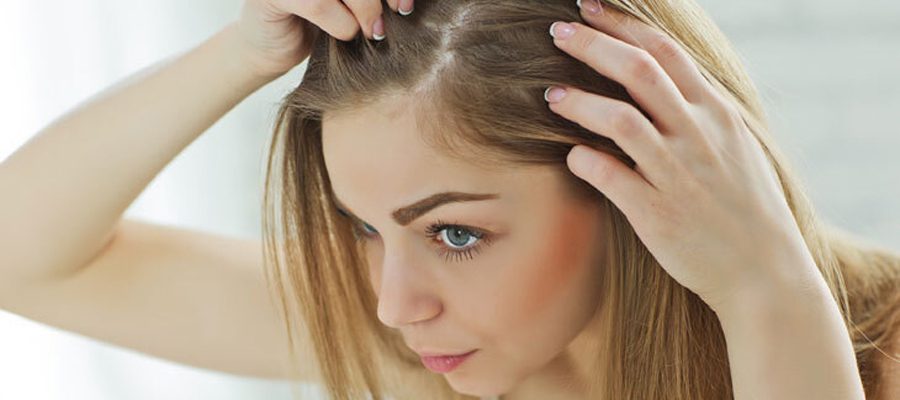
What Causes Hair Loss?
Hair loss can be caused by many different reasons and can develop differently in each individual. Genetic factors, hormonal changes, stress, unhealthy diet and some diseases are among the main factors that can cause hair loss. Androgenetic alopecia, which is common in men, is the most common cause of hair loss due to genetic predisposition. In women, hormonal changes such as pregnancy, menopause or thyroid diseases can cause hair to weaken and fall out. At the same time, nutritional deficiencies such as iron deficiency, vitamin D deficiency and protein deficiency can cause hair to weaken and fall out over time. Frequent hair styling, chemical treatments and wrong hair care habits in daily life can also accelerate hair loss by weakening hair follicles.
Who Experiences Hair Loss?
Hair loss can be seen in individuals of all ages, but it is more common in some people. People with genetic predisposition, especially men, may experience significant hair loss. In women, hair loss can usually be triggered by hormonal changes and nutritional deficiencies. Hair loss can be more common during periods of hormonal fluctuations, such as puberty, post-pregnancy, and menopause. At the same time, individuals under intense stress or those with chronic diseases may experience hair loss. Hair loss can also be common in patients undergoing chemotherapy, those with immune system diseases, and those who use certain medications for a long time.
What are the symptoms of hair loss?
Hair loss usually manifests itself suddenly or gradually and can occur with different symptoms. The most common symptom is hair falling out more than normal when combing or showering. Finding a lot of hair on your pillow or clothes in the morning is also a sign of hair loss. At the same time, a significant decrease in the overall volume of the hair, thinning of the hair strands and more visible scalp are also important symptoms. In men, especially the receding forehead line and thinning on the crown are common conditions. In women, the hair parting line may become more visible and the hair may become thinner in general. Since sudden and intense hair loss may be a sign of an underlying health problem, it is essential to consult a specialist.
What is Good for Hair Loss?
Adopting a healthy lifestyle is very important to prevent hair loss and strengthen hair. First of all, it is necessary to pay attention to the diet and take in sufficient amounts of vitamins and minerals that nourish the hair roots. Iron, zinc, biotin and vitamin D are critical for hair health. Stress management is also an important factor in reducing hair loss; yoga, meditation or regular exercise can alleviate the effects of stress. Natural and chemical-free products should be preferred in hair care, and hair styling devices should not be used frequently. Regular massaging of the scalp can strengthen hair roots by increasing blood circulation. Shampoos and serums specially produced against hair loss can also contribute to strengthening hair when used regularly.
What Are the Hair Loss Treatment Options?
There are various treatment methods to stop hair loss and support new hair growth. The most common treatments include topical medications, hair mesotherapy, PRP (Platelet Rich Plasma) treatment, and hair transplantation. Topical solutions such as Minoxidil can slow hair loss and support healthier hair growth. In PRP treatment, platelets obtained from the person’s own blood are injected into the hair follicles to encourage hair growth. Hair mesotherapy aims to strengthen hair follicles by injecting vitamins and minerals into the scalp. In advanced cases, hair transplantation can be a permanent solution, especially for people with genetic hair loss. The appropriate treatment method should be determined according to the person’s hair loss type and skin structure.
Who Can Get Hair Loss Treatment?
Hair loss treatment can be applied to anyone who is experiencing hair loss and is bothered by this condition. When choosing a treatment method, the person’s hair loss type, age, health status and genetic predisposition should be taken into consideration. People with mild hair loss can usually achieve positive results with medication or supportive hair care. For those experiencing hair loss due to hormonal or vitamin deficiency, the underlying cause should be treated first. Hair transplantation may be the most effective solution for individuals experiencing advanced hair loss and whose hair follicles have completely weakened. It is recommended that people with hair loss problems first consult a dermatologist or hair health specialist to determine the most appropriate treatment option.
Which Doctor Should You See for Hair Loss?
People who experience hair loss should first see a dermatologist. Dermatologists are doctors who specialize in hair and scalp diseases and can perform the necessary tests to determine the causes of hair loss. Hair loss can sometimes be caused by hormonal imbalances, thyroid diseases or vitamin deficiencies. If the doctor detects a hormonal problem in the tests performed, he/she may refer the patient to an endocrinologist. Similarly, if conditions such as anemia or nutritional deficiencies are detected, support from an internal medicine specialist may be required. However, the doctor who will make the most accurate diagnosis and initiate the appropriate treatment process for hair loss is primarily a dermatologist.
How to Treat Hair Loss?
Hair loss treatment is done with different methods depending on the cause and severity of the loss. In mild hair loss, vitamin supplements, hair care products and topical medications are usually used to strengthen the hair. In more advanced hair loss, methods such as PRP (Platelet Rich Plasma) treatment or hair mesotherapy can be applied. In PRP treatment, platelets obtained from the patient’s own blood are injected into the hair follicles to strengthen the hair and encourage it to grow again. Mesotherapy aims to stop hair loss by injecting vitamins, minerals and amino acids into the hair follicles. For people with advanced hair loss, hair transplantation can be preferred as a permanent solution.
Is Hair Loss Painful?
Hair loss itself does not cause any pain, but some treatment methods may cause mild discomfort. For example, during PRP or hair mesotherapy applications, a slight stinging sensation may occur because the injection is made under the skin. However, these procedures are generally tolerable and the pain after the application is usually minimal. Since surgical interventions such as hair transplantation are performed under local anesthesia, there is no pain during the procedure, but there may be slight sensitivity after the operation. If burning, itching or pain is felt on the scalp along with hair loss in daily life, this may be a symptom of a skin disease and a specialist should definitely be consulted.
Are Anti-Hair Loss Shampoos Effective?
Shampoos produced against hair loss generally aim to nourish the hair roots and strengthen the hair strands, but they do not offer a permanent solution on their own. These types of shampoos can help hair grow healthily with the vitamins, minerals and herbal extracts they contain. However, if you are experiencing hair loss due to genetic, hormonal or health-related reasons, it may not be possible to completely stop the loss by using shampoo alone. For the best results, shampoos against hair loss should be used together with supportive serums and vitamin supplements. When choosing a shampoo, care should be taken to ensure that the content is clean and does not contain harmful chemicals such as sulfate and paraben.
Which Vitamin Should Be Taken for Hair Loss Problem?
One of the most important vitamins in the fight against hair loss is the B vitamin group, especially biotin (vitamin B7) plays a big role in hair health. Biotin strengthens hair roots and supports hair strands to grow healthier and thicker. In addition, since iron deficiency can also cause hair loss, iron supplements are important for hair health. Since vitamin D deficiency can increase hair loss, it is beneficial to get regular sunlight and consume foods containing vitamin D. Zinc and magnesium are also important minerals that support hair growth. Omega-3 fatty acids can also help hair grow healthier by nourishing the scalp. However, before taking any vitamin supplements, it is always best to consult a doctor to determine if there is a deficiency.
What Causes Excessive Hair Loss?
Excessive hair loss usually occurs as a result of an underlying health problem or external factors. Genetic factors, hormonal imbalances, vitamin and mineral deficiencies can accelerate hair loss. Iron, zinc, vitamin B12 and vitamin D deficiencies in particular can weaken hair follicles and cause hair loss. Hormonal disorders such as thyroid disease and polycystic ovary syndrome (PCOS) are also among the main causes of hair loss. In addition, stress, malnutrition, intensive hair styling procedures and frequent use of chemical products can cause hair to weaken and fall out over time. If hair loss exceeds 100 strands per day and thins rapidly, it is necessary to seek support from a dermatologist.
What is Hair Loss a Sign of?
Hair loss can be a symptom of a health problem or deficiency in the body. Male pattern baldness due to genetic predisposition or hair thinning due to hormonal changes in women can be seen. At the same time, iron deficiency anemia is one of the most common causes of hair loss because iron deficiency causes the hair follicles to not be nourished enough. Thyroid diseases, both hypothyroidism and hyperthyroidism, can trigger hair loss. Stress-related hair loss is also a common condition, and excessive stress can increase the level of cortisol in the body and weaken the hair follicles. Autoimmune diseases can cause the immune system to attack the hair follicles, leading to sudden hair loss. If hair loss continues for a long time, it is important to consult a specialist to determine the underlying cause.
How to Understand Stress-Related Hair Loss?
Stress-related hair loss is usually a condition called telogen effluvium and usually occurs after physical or emotional stress. This type of hair loss starts suddenly and is widespread all over the scalp. The most obvious feature is that a large portion of the hair is lost noticeably during combing, showering or during the day. People who experience stress-related hair loss may notice that their hair is thinning and losing volume. In addition, itching, burning or sensitivity may be felt on the scalp during periods of high stress. Stress-related hair loss is usually temporary and hair may begin to grow back once the stress is brought under control. However, in people who have been under long-term stress, the loss can become chronic and turn into more permanent hair loss.
Hair Loss Treatment Prices 2025
Hair may vary depending on the method to be applied, the quality of the center performing the treatment and the personalized treatment plan. Different treatment options such as PRP treatment, mesotherapy and hair transplantation are offered at different costs.