


What is Laser Lipolysis?
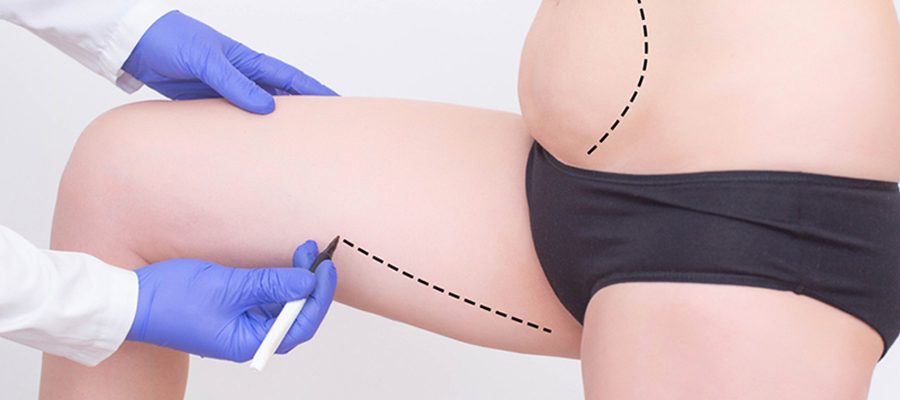
Laser lipolysis is a minimally invasive aesthetic procedure used to melt regional fat accumulated in the body and tighten the skin. In this method, laser energy is used to break down fat cells and allow them to be naturally eliminated by the body. Laser lipolysis is a less invasive, faster healing and less side-effect method compared to major surgical procedures such as liposuction. It is generally preferred in stubborn fat areas that cannot be removed with diet and exercise. In addition, laser lipolysis provides tightening by increasing the skin’s collagen production, which is an important advantage that distinguishes the procedure from other fat removal techniques.
What is Laser Lipolysis?
Laser lipolysis is a method based on breaking down fat cells using heat energy. During the procedure, laser beams are directed directly to the fat cells, which liquefy the fat cells and allow them to be naturally eliminated from the body. At the same time, the skin is tightened and looseness is prevented thanks to the heat effect of the laser. Laser lipolysis is a procedure that does not require general anesthesia, is performed under local anesthesia and offers a rapid recovery process. After the procedure, patients are usually discharged on the same day and can return to their normal lives within a few days.
In Which Areas Can Laser Lipolysis Be Applied?
Laser lipolysis can be applied to many different areas of the body and is a very effective method, especially in areas where regional fat is concentrated. The most common application areas are:
Abdomen and waist area: Provides a tighter appearance by melting the stubborn fat around the abdomen.
Hips and buttocks: It is effective in reducing hip fat, which is common in women.
Inner legs and around the knees: Makes the legs look slimmer and tighter.
Underarms and upper arms: Can be applied to prevent sagging that occurs with age.
Double chin and under the chin: It is preferred to highlight the jaw line and prevent sagging.
Back area: It can be applied to eliminate fat in the lower or upper back.
Laser lipolysis performed in these areas prevents a loose and sagging appearance by melting the fat and tightening the skin.
How is Laser Lipolysis Performed?
Laser lipolysis is performed under local anesthesia and usually takes 1 to 2 hours. The procedure is performed in the following steps:
Preparation: The area to be treated is determined and local anesthesia is applied to the area.
Application of laser beam: The laser beam is directed to the fat tissue with the help of a small cannula. Laser energy melts the fat cells and turns them into liquid.
Removal of fat from the body: Melted fats are excreted by the body naturally through the lymphatic system or can be removed with a thin cannula when necessary.
Skin tightening: The heat created by the laser increases collagen production under the skin, providing a tighter and smoother appearance.
Recovery process: The patient is usually discharged on the same day and can return to normal life within a few days. There may be swelling and slight bruising, but this usually disappears within a few weeks.
After the procedure, patients are advised to drink plenty of water, do light exercises, and use the corset recommended by the doctor.
Who are the Suitable Candidates for Laser Lipolysis?
Laser lipolysis is a suitable method for people who are in good general health and have localized fat that cannot be eliminated with diet and exercise. For the best results, the following people are ideal candidates:
- Individuals with a normal or slightly overweight body mass index (BMI)
- Those who complain of regional fat but are generally close to their ideal weight
- Those with good skin elasticity, because although the procedure tightens the skin, its effect may be limited in extremely saggy skin.
- Those who want to avoid intensive surgical procedures and prefer minimally invasive methods
- People who are not pregnant and have completed breastfeeding
Laser lipolysis is not a weight loss method for overweight or obese individuals. More extensive surgical procedures (such as liposuction) may be recommended for these individuals. Also, individuals with bleeding disorders, diabetes, or serious health conditions should consult their physician before having the procedure.
Laser Lipolysis for Those Who Do Not Have a Weight Problem But Have Regional Fat
Laser lipolysis is an ideal method for people who do not have a general weight problem but have stubborn fat accumulations in certain areas of their body. It is an effective solution for people who want to get rid of fat that does not go away despite diet and exercise, especially in areas such as the abdomen, waist, hips, inner thighs, arms, knees and under the chin. Laser lipolysis breaks down fat cells with heat energy and allows them to be removed from the body naturally, while also offering the advantage of tightening and shaping the skin. This method is suitable for people who do not have a problem with excess weight but want to define their body lines and achieve a tighter appearance.
Since laser lipolysis is not as aggressive as surgical liposuction, the recovery period is shorter and the return to daily life is faster. In addition, thanks to its tightening effect on the skin, positive results can be obtained in people with slight sagging. Laser lipolysis is a fast, safe and effective method for individuals who do not have a weight problem but want to achieve a more fit and aesthetic appearance regionally.
What are the differences between Laser Lipolysis and Liposuction?
Laser lipolysis and liposuction are both methods used to remove excess fat from the body, but they differ in their techniques and recovery processes. Here are the main differences:
Processing Method:
- Laser lipolysis uses laser energy to melt fat cells and allow the body to remove them naturally.
- Liposuction physically removes fat by vacuuming it out with the help of cannulas.
Invasiveness:
- Laser lipolysis is a minimally invasive procedure, performed with local anesthesia and using a small entry point in the skin.
- Liposuction is a surgical procedure that requires larger incisions and is usually performed under general anesthesia.
Skin Tightening:
- Laser lipolysis has the effect of tightening the skin by increasing collagen production.
- Liposuction only removes fat, does not tighten the skin and can cause sagging in some cases.
The Recovery Process:
- The recovery process after laser lipolysis is faster and the patient can return to normal life within a few days.
- The recovery process after liposuction is longer, usually several weeks, and there may be more swelling and bruising.
Suitable Candidates:
- Laser lipolysis is suitable for people with regional fat deposits and a normal overall weight.
- Liposuction targets larger fat deposits and may be more appropriate for individuals who are overweight.
Although both methods are effective, the specialist doctor should decide which procedure is more appropriate, considering the person’s body structure and goals.
Laser Lipolysis and Liposuction: Which Method is More Effective?
When choosing between laser lipolysis and liposuction, which method is more effective may vary depending on the person’s needs and expectations.
If the person is generally at their ideal weight and only complains of stubborn fat accumulations in certain areas, laser lipolysis may be a more effective option.
However, in cases that require large amounts of fat loss and body shaping, liposuction offers a more effective solution.
Laser lipolysis offers a more comfortable option thanks to its advantages of not requiring an incision, rapid healing process and skin tightening. Liposuction can provide more dramatic results because it targets larger fat deposits. It would be best to consult a specialist to determine which method is more suitable for the person’s expectations and body structure.
How Long Does Laser Lipolysis Procedure Take?
Laser lipolysis can take between 30 minutes and 2 hours, depending on the size of the area to be treated. Small areas (such as under the chin and armpits) can be completed in 30-45 minutes, while larger areas such as the abdomen and hips can take 1-2 hours.
The procedure is usually performed under local anesthesia, so the patient remains awake and can be discharged comfortably after the procedure. Laser energy melts fat cells while also stimulating collagen production, providing a skin tightening effect. Patients can usually return home after resting for a few hours after the procedure.
How Long Does It Take to Return to Daily Life After Laser Lipolysis?
The recovery process after laser lipolysis is quite rapid and most people can return to their daily activities within 1-3 days. However, recovery time may vary depending on the sensitivity of the treated area and the person’s body structure.
It is recommended to rest for the first 24 hours, as the body enters the recovery process after the procedure.
Some slight swelling and bruising may occur for the first few days, but these usually disappear in a short time.
A special corset or bandage may be required to help the skin adapt to its new shape.
Heavy exercise should be avoided, but light walking can speed up recovery by increasing blood circulation.
It usually takes 3-6 weeks to see full results because it takes time for fat cells to be completely eliminated from the body.
How Long Do Swelling, Redness and Pain Last After the Procedure?
After laser lipolysis, side effects such as mild swelling, redness and pain may be experienced in the treated area. These symptoms usually decrease and disappear within 2-3 days. In some cases, swelling and bruising may last for several weeks, but this is rare. If these symptoms do not disappear within 7 days, it is recommended that you consult a doctor.
Is Laser Lipolysis a Permanent Solution?
Yes, laser lipolysis permanently destroys fat cells in the targeted area. After the fat cells are broken down by laser energy, they are naturally eliminated by the body and fat accumulation in the same area is not expected again. However, if a healthy lifestyle is not maintained, fat accumulation may occur in other areas of the body. Therefore, adopting a balanced diet and regular exercise habits after laser lipolysis supports the permanence of the results obtained.
Will the fat removed with Laser Lipolysis come back?
Fat cells destroyed by laser lipolysis do not return; that is, there is no fat accumulation in the same area again. However, in the case of general weight gain, fat accumulation can be seen in other areas of the body. Therefore, it is important to adopt a healthy lifestyle after the procedure. This both protects your general health and ensures the continuity of the aesthetic results obtained with laser lipolysis.
Laser Lipolysis Prices 2025
Laser lipolysis prices vary depending on the size of the area to be treated, the number of applications, the technology used, and the location of the clinic where the procedure will be performed. Although it is difficult to give an exact price range for 2025, it can generally vary between a few thousand TL per procedure. For the most accurate and up-to-date price information, it is recommended that you contact the clinic or specialist doctor where you plan to perform the procedure directly.